You’ve given everything to everyone, your kids, your parents, your partner, your career. And somewhere along the way, your body, your desire, and your sense of self start to feel like they’ve disappeared. Too many responsibilities. Too many tabs open. This is what happens when stress, mental load, shame, and disconnection run the show for too long.
Your desire is still there, even when it feels
out of reach.
When your body feels safe, supported, and understood, desire has space to return.
For women who have fallen off their own priority list
If you’ve ever had these thoughts and didn’t know why…
“I’m never in the mood. What’s wrong with me?”
“I feel touched out by the end of the day. My body just shuts down.”
“I feel like I’m performing instead of actually feeling anything.”
“I love my partner, but sex doesn’t feel fulfilling. Something is missing.”
“I go along with it just to avoid an argument.”
“I feel disconnected from my body and my desire.”
“I’ve started to think something might be wrong with me.”
You’re not broken.
You were just never taught.
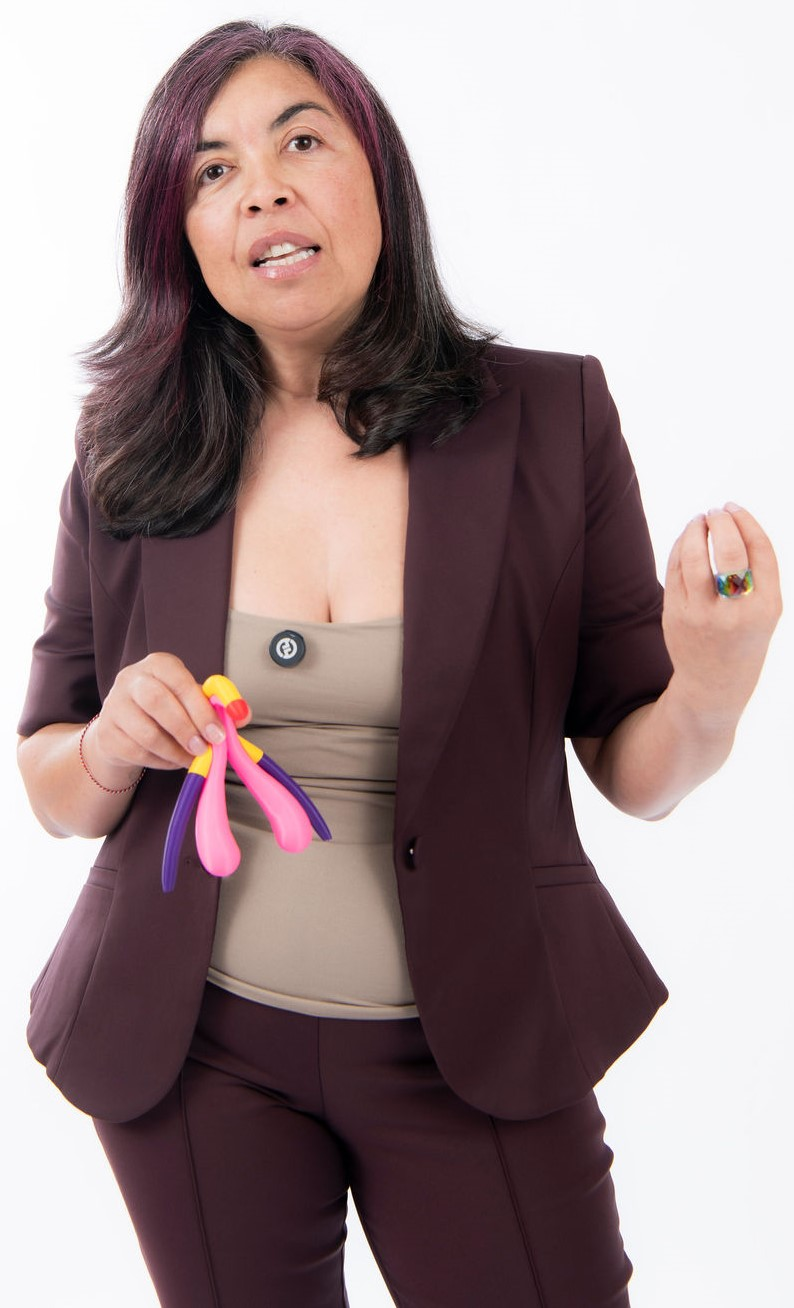
I’m passionate about helping women understand their bodies, their sexuality, and how arousal and desire actually works, so they can feel more connected, more confident, and at home in themselves. We don’t know what we don’t know about our own sexuality or our anatomy, but when we learn, it finally makes sense.
NurtureU, founded by Cris De Andrade, helps women reconnect body and mind through science-based education that supports mindset change, body awareness, and confidence.
Read my story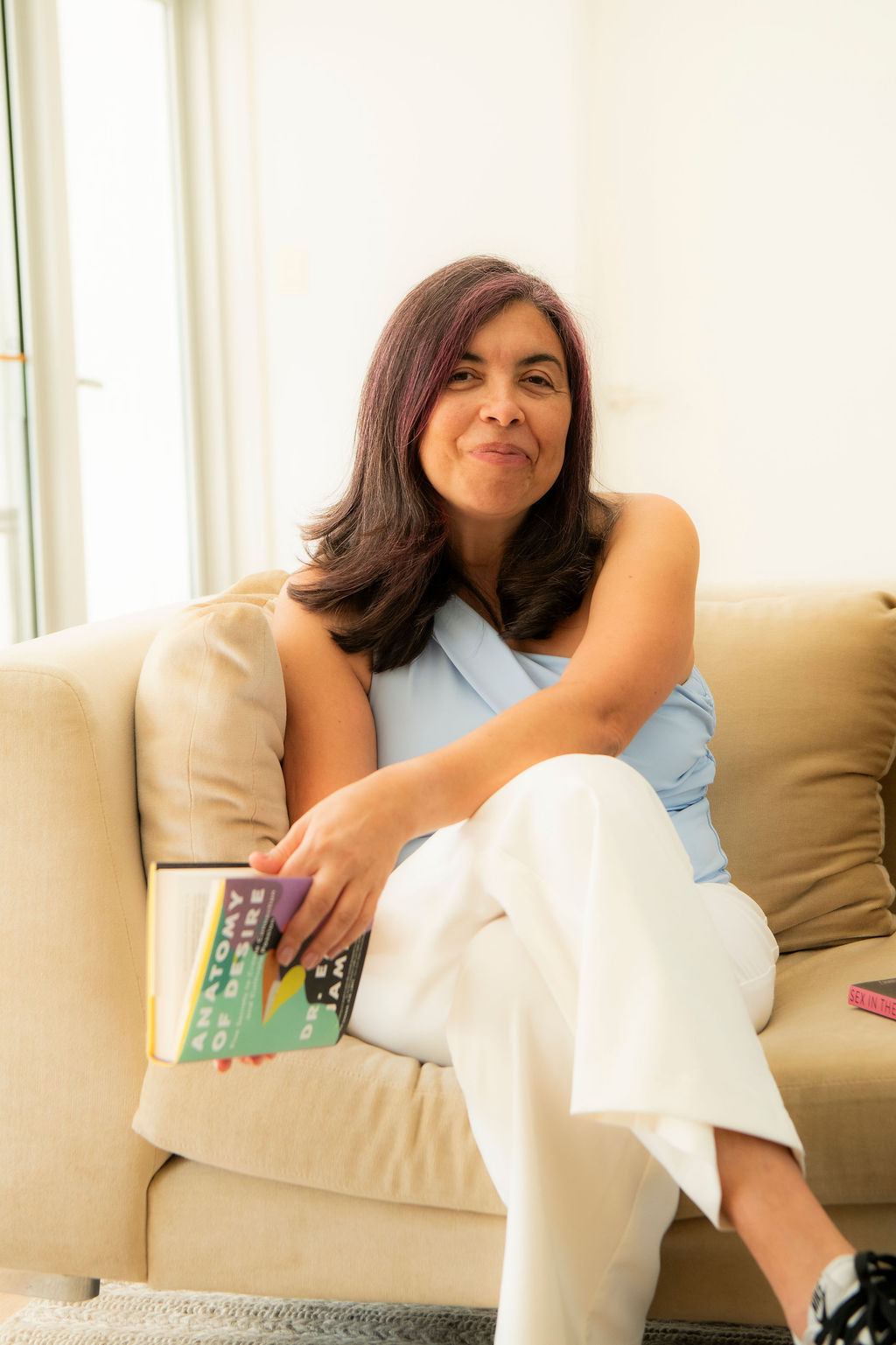
6-Week Private Program
The Intimacy Reset™
A 6-week private program for women who want to stop guessing and finally understand what affects their desire.
Inside this work, we explore why your body may not be responding, what stress and mental load are doing to desire, how shame and past conditioning shape your sexual self, and how to rebuild pleasure, boundaries, and communication from the inside out.
- 6 × 55-minute private sessions
- Personalised practices & voice support
- Erotic Identity Mapping
- NurtureU e-book
Cris De Andrade
Sexuality Literacy Specialist
- ESEPAS Certified — Emotional & Sexual Education for Prevention of Sexual Abuse
- Postgraduate Training ESEPAS
- Love Bites Facilitator — Respectful Relationships
- Sexology-Informed Practice
- Bachelor of Communication
Grounded in Research
Sexuality literacy, cliteracy, and body awareness, helping women reconnect with their bodies and experience desire with clarity and confidence.
NurtureU is shaped by current research on desire, stress, sexual wellbeing, and female arousal, and informed by leading thinkers such as Esther Perel, Emily Nagoski, and Emily Jamea.
For Couples
Intimacy is something you build together.
Desire doesn't live only in the bedroom. When one person begins to understand their body, the whole relationship shifts - and when couples learn together, they build a shared language that lasts.
Whether you're a partner who wants to understand, or a couple ready to work side by side, this page is for both of you.
Explore the For Couples PageWays we can support each other
A list of simple practices that keep intimacy alive - talking without blame, sharing the load, permission to say no, and more.
The Couples Journey
Six private sessions designed for you as a couple - to understand desire together and rebuild the closeness that's been slipping away.
What people say
In their words
"Working with Cris, I discovered how my body works and accessed a deeper understanding of my sexuality that I never thought was possible for me."
— client
"Talking to Cris is like learning a new language. She plants little seeds that are impossible to ignore — they are generally very thought-provoking."
— client
"I'm always amazed how Cris gets people talking about their most intimate aspects with such ease. She makes people — young and old — feel seen and heard. She is always quick to say: there is no shame in not knowing. You haven't been taught."
— colleague
"Cris is passionate and dedicated to transforming women's relationship with their sexuality using science and education."
— colleague
"I had been unhappy about my sexual life for years, and was afraid to look for help — until I met Cris. She made it easy to talk, and my husband was immediately onboard."
— client
"The things I learned in her workshop were so interesting. I never thought there was so much hidden information about female anatomy that I had no idea about — and I thought I was very well informed. Cris really wants us to treasure our bodies and have the best relationship with ourselves first and foremost."
— workshop participant
Your body is worthy of pleasure. Your desire is worthy of space.
A Clarity Call is 25 minutes. No obligation. Just an honest conversation about where you are and what might actually help.
Book a Free Clarity Call